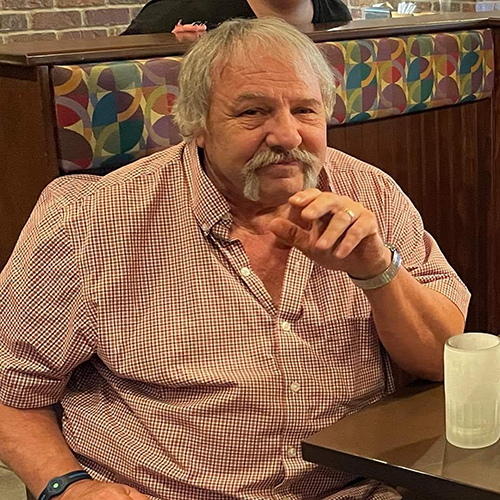
Name of Victim: Mike Cravens
Age of Victim: 64
Sex of Victim: Male
What Is This Testimony About: Hospital Protocol Death
State: IN
Name of Hospital(s) victim was admitted to (List All that apply): Franciscan Hospital
Did the victim survive? No
Date of Death: 10/24/2021
Contact Name: Barb Cravens
Relationship to Victim: Husband
Was the victim a military Veteran? No
Was the victim considered special needs, or did they have any kind of disability? No
Was the victim admitted to the hospital? Yes
County Hospital is located in: Marion
Date Admitted: 10/07/2021
Was the victim isolated at any time during hospitalization? Yes
Does the victim or family feel they were treated differently by hospital staff as a result of disclosing their vaccination status? Yes
Was the victim or family pressured to sign a Do Not Resuscitate? No
Was the victim physically restrained? No
Was the victim deprived of food and water while in the hospital? No
Was victim placed on a ventilator? Yes
What medications were administered to the victim by doctors or hospital staff? Baricitinib, Decadron, Lovenox, Midazolam, Vancomycin
What medications did the hospital explicitly refuse to administer to the victim? Hydroxychloroquine, Ivermectin
Has this incident been reported to any agency such as VAERS, HHS, JACHO, Medical Board or others? no
Place of Death: Hospital
Would you be interested in participating in podcasts or other media? Yes
They Entered the Hospital Together—Barb Came Home, but Mike Never Did
For 46 years, Barb Craven and her husband, Mike, shared nearly everything. They raised two sons, became grandparents to seven grandchildren, ran billiards leagues at a local pub, and built a life surrounded by family and friends. Barb had known Mike since she was 15 years old and married him at 18. He was not only the love of her life—he was her hero, her closest companion, and the person who encouraged her to become better every day.
In early October 2021, Barb and Mike became seriously ill at the same time. Both were extremely weak, coughing, and experiencing flu-like symptoms. They became too sick to care for one another, and their sons grew increasingly concerned. On October 7, their children drove them in separate cars to the emergency room.
Their oxygen levels were dangerously low, and hospital personnel told them they had COVID and had to remain in the hospital. Barb and Mike were separated almost immediately.
Barb waited approximately 12 hours for a room. Mike remained in the emergency department for approximately 26 hours. She repeatedly asked the staff to bring him into her room, even offering to surrender the bed and sit in a chair herself. Instead, the couple who had spent virtually every day together was kept apart.
Too weak to speak for long, they communicated mostly through brief text messages. Barb continually asked about Mike and even began ordering his meals when he seemed unable to remember what he had eaten or whether he had ordered anything.
Barb says she was shamed by medical personnel for being unvaccinated. She asked whether she could receive ivermectin or hydroxychloroquine, but hospital personnel told her those medications would not be part of her treatment. Whenever someone entered her room with a medication or injection, she demanded answers: What are you giving me? What is it for?
Most importantly, Barb refused to remain passively confined to the bed. Despite her weakness and need for oxygen, she demanded to be allowed up. She understood that she needed to move and regain her strength. Her determination to get out of bed, question what was being done, and fight to recover became a critical distinction in her hospital experience.
Mike’s course took a tragically different turn.
After approximately one week, hospital personnel convinced Mike to go on a ventilator. Barb was isolated in her own room and does not know whether he truly understood or freely consented to what was happening. Once he was placed on the ventilator, she begged to see him. Five days passed before she was finally permitted to sit beside her husband—for only about 15 minutes.
Using Mike’s phone, Barb accessed his patient portal and closely watched his laboratory results. The numbers appeared to be improving, giving her hope that he would soon be removed from the ventilator and come home.
Barb was discharged on October 21 after proving she could walk across her hospital room. She refused the hospital’s recommendation that she enter a rehabilitation facility because she wanted to go home and prepare to visit Mike. Although still severely debilitated and dependent on oxygen, she believed her husband would be coming home too.
Three days later, her sons went to the hospital after receiving a call about their father. When they returned and walked through Barb’s back door, she saw the truth written across their faces.
Mike was gone.
Barb later learned that Mike’s heart had failed, his blood pressure had fallen dangerously low, and his ribs had been broken during attempts to keep him alive. Her son, watching what was happening, finally pleaded with the staff to stop hurting his father.
“That was the worst day of my life,” Barb remembers. “I wasn’t expecting that.”
Barb’s own recovery took months. She required supplemental oxygen until January, progressed from a rollator to a cane, and did not return to work until early 2022. When she finally obtained Mike’s medical records and began examining what had been done to him, she became convinced that the hospital’s treatment—not COVID alone—had taken her husband from her.
The experience permanently destroyed her trust in the medical system. Nearly five years later, she says she has not returned to her family physician for an annual examination. The people and institutions she once trusted as caregivers no longer feel safe.
Barb believes Mike became a casualty of a system that isolated spouses, denied requested treatment options, pressured patients over their vaccination status, and placed critically ill people on ventilators while their families remained separated and largely powerless.
She calls what happened an egregious crime against humanity. Her life and future were forever changed, but she made Mike a promise: “Until the day I die, I will be his voice.”
This interview is the first time Barb has publicly told their story.
Betrayal Project USA is giving survivors and grieving families a platform to speak, seeking reform and accountability, and building a community of support for those who suffered institutional betrayal. Our board and volunteer force are themselves victims—primarily widows, widowers, and survivors who experienced similar harm. These egregious crimes against humanity must be exposed and stopped.
If you or a loved one has been harmed by COVID-related protocols, shots, or policies, please document your story at betrayalprojectusa.org.